
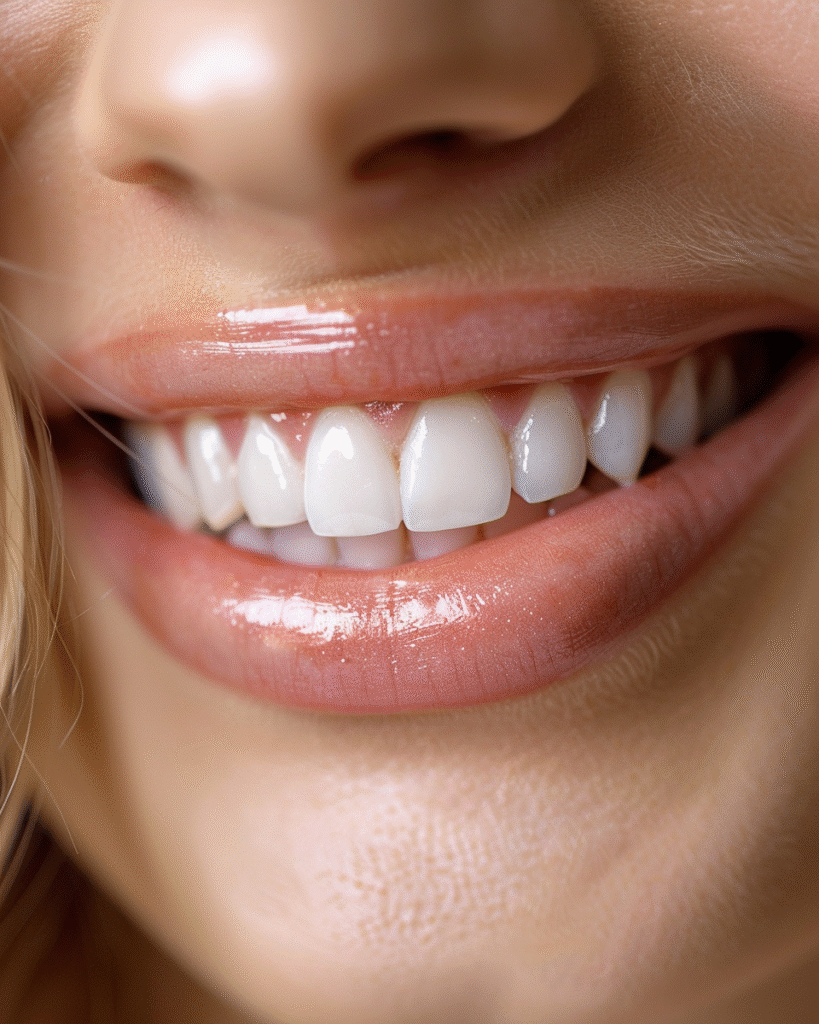
How Long Do Veneers Last? (Porcelain vs Composite, Real-World Timelines & Care Tips)
Thinking about veneers and want the full picture before you invest? You’re in the right place.
At Alira Smiles, patients most often ask: “How long do veneers last?” The short answer is:
- Porcelain veneers typically last 10–15 years
- Composite veneers generally last 4–8 years
Below, we’ll break down what affects lifespan, the differences between porcelain and composite, what to expect after five years, how to make veneers last longer, and signs it’s time to replace them.
Quick Answer
- Best longevity: Porcelain
- Best for budget/repairs: Composite
- Biggest lifespan killers: Teeth grinding (bruxism), biting hard objects, skipping check-ups, poor oral hygiene, and gum problems
- You can extend veneer life with night guards, gentle habits, and regular professional care
What Actually Determines How Long Veneers Last?
Think of veneer longevity as a team effort between veneers quality, and your daily habits.
- Type of Veneers
- Porcelain is glass-ceramic: strong, colour-stable, and stain-resistant.
- Composite is high-grade resin: beautiful and conservative, but less resistant to wear and staining.
- Preparation & bonding
Meticulous planning (digital smile design, bite analysis) and adhesive protocols create a stable, long-lasting bond. - Your bite & habits
- Grinding/clenching places heavy stress on veneers.
- Chewing ice, pens, or opening packets with teeth risks chips. Bootle openers.
- Acidic diets (soft drinks, lemon water) erode enamel and edges over time.
- Oral hygiene & gum health
Plaque at the veneer edge can inflame gums and shorten longevity. - Maintenance
Six-monthly check-ups, professional cleans and patient home care using a custom night guard (if you grind) dramatically extend veneer life.
How Long Do Porcelain Veneers Last?
Typical range: 10–15 years;
Why they last longer?
- High strength & wear resistance
- Exceptional stain resistance
Best for
- Long-term smile makeovers
- Masking discolorations, minor crowding/spacing, chips
Caveats
- If you grind/clench, you’ll need a night guard.
- Chips can happen from hard bites or trauma (usually repairable or replaceable).
How Long Do Composite Veneers Last?
Typical range: 4–8 years.
Why they may need earlier attention
- More prone to surface wear and staining than porcelain.
- Smill Chips can occur.
Best for
- Cost effective treatment. Composite veneers are chepear.
- Situations where minor shape/edge changes are planned over time.
Good to know
- Composite can be re-polished to renew lustre.
- You can convert from composite to porcelain later.
Porcelain vs Composite: A Helpful Comparison
| Feature | Porcelain Veneers | Composite Veneers |
| Typical Lifespan | 10–15 yrs (often 15–20+) | 4–8 yrs (review ~5 yrs) |
| Stain Resistance | Excellent | Moderate (may stain over time) |
| Repairs | Replace/repair per tooth if chipped | Easy, quick spot repairs |
| Aesthetics | Superb translucency & realism | Very good; highly customisable |
| Cost | Higher upfront | Lower upfront |
| Ideal For | Long-term, low-maintenance results | Cost effective |
How to Make Veneers Last Longer (10 Practical Tips)
- Wear a night guard if you clench or grind.
- Brush twice daily with a soft brush and fluoride toothpaste.
- Floss daily (or use interdental brushes/water flossers).
- See us every 6 months for checks and professional cleans.
- Avoid using teeth as tools (no opening packets/bottles).
- Limit very hard foods (ice, unpopped popcorn kernels).
- Rinse after acidic drinks (soft drinks, sports drinks, lemon water).
- Moderate staining habits (coffee/tea/red wine)—or sip with a straw and rinse.
- Quit smoking/vaping to protect gum health and colour.
- Protect your smile in sport with a custom mouthguard.
Signs Your Veneers May Need Attention or Replacement
- Chips or cracks in the veneer edge
- Dark lines or staining around the margin
- Gum recession exposing edges
- Loose feeling or sensitivity at the veneer tooth
- Aesthetic changes you’d like to refresh (colour/shape)
If you notice any of these, book an assessment—many issues are fixable with simple repairs or polishing.
Do Veneers Damage My Natural Teeth?
Conservative preparation is required . Porcelain veneers often require minimal enamel reshaping; composite can sometimes be done with little to no enamel removal. Your natural teeth remain underneath—healthy gums and good hygiene keep everything stable long-term.
Replacement: How Many Times Can I Replace Veneers?
With healthy teeth and gums, veneers can be replaced as needed over decades. The key is excellent bonding, gentle habits, and regular dental care to protect your underlying tooth structure.
Frequently Asked Questions
How long do veneers last?
Porcelain: typically 10–15 years (often longer with great care). Composite: 4–8 years, with many patients reviewing repairs or refreshes around 5 years.
How long can veneers last at the very best?
We’ve seen porcelain veneers look beautiful well past 15–20 years when patients protect them with a night guard, maintain gum health, goog hygiene and see us regularly.
How long do porcelain veneers last?
Commonly 10–15 years or more.
How long do composite veneers last?
Usually 4–8 years or more.
Will grinding shorten veneer life?
Yes. Bruxism is a major risk factor. A custom night guard can significantly extend veneer lifespan.
Can veneers be repaired if they chip?
- Composite: often repaired in one visit.
- Porcelain: small chips may be repairable; larger issues may need a replacement veneer.
Thinking About Veneers? Let’s Personalise Your Timeline.
Everyone’s bite, enamel, and habits are different. At Alira Smiles (Melbourne) we’ll assess your goals, enamel thickness, bite forces, and lifestyle to recommend the material (porcelain or composite) that gives you the best balance of longevity, budget, and aesthetics.
- Smile design preview and material options.
- Honest discussion about lifespan and maintenance.
